The Allure of Gambling
The attraction of casinos is intricately tied to human psychology, engaging a variety of cognitive biases and emotional triggers that compel individuals to participate in gambling activities. One of the primary psychological elements is the interplay of risk and reward, significantly influencing decision-making processes. The gambler’s fallacy, a common cognitive distortion, leads individuals to mistakenly believe that past outcomes influence future probabilities. This misconception often encourages players to persist in their gambling endeavors, even after experiencing substantial losses, creating a compelling narrative that suggests a forthcoming win is just a play away, which is why some turn to no verification casinos for an easier entry into the experience, thereby perpetuating the cycle of gambling behavior.
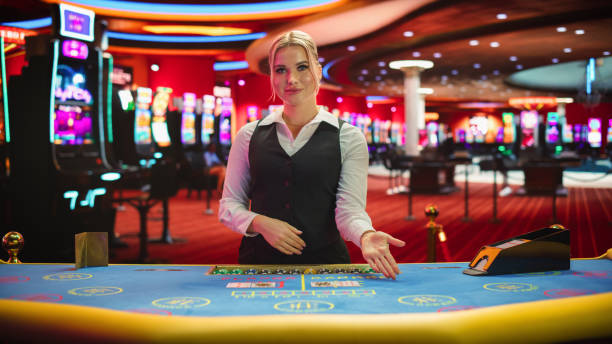
Beyond cognitive biases, the casino environment is designed with an acute focus on enhancing player engagement. Bright lights, vibrant colors, and the cacophony of sounds from slot machines and table games are deliberately orchestrated to activate the brain’s reward pathways. This sensory overload can lead to a euphoric state often described as “being in the zone,” where players experience an exhilarating high during both wins and losses. This emotional rollercoaster significantly increases the likelihood of returning to the casino, as patrons seek to recapture the thrilling sensations associated with their gaming experiences, thus reinforcing their gambling habits.
The social dynamics of gambling also play a crucial role in its allure. The presence of other players in a casino can create a stimulating atmosphere filled with excitement and camaraderie. Gamblers often bond over shared experiences, discussing strategies or celebrating wins together, which enhances the communal aspect of gambling. This interaction fosters a sense of belonging and fuels the desire to return to the casino, as players seek not only financial rewards but also social connections within this vibrant community.
The Role of Cognitive Dissonance
Cognitive dissonance is a psychological phenomenon that manifests when individuals experience discomfort due to conflicting beliefs and actions. In the realm of gambling, this often occurs when players attempt to justify their losses by recalling past victories or convincing themselves that they can recover their losses through further play. This internal conflict can lead to an escalation of betting behavior as gamblers seek to alleviate their dissonance, perpetuating a cycle of gambling that is difficult to escape. The rationalizations employed by players often result in an unending loop of playing and losing, despite the mounting evidence of their financial unviability.
For instance, consider a scenario where a player suffers a substantial loss in a particular game but nostalgically remembers a significant win from a previous visit. The recollection of past successes can overshadow the harsh reality of recent losses, compelling the player to continue gambling in hopes of recapturing that elusive winning feeling. This mental rationalization becomes pivotal in understanding why individuals persist in gambling, even when faced with clear signs of unprofitability and negative outcomes.

Casinos are aware of cognitive dissonance and often exploit it through various strategies, such as providing reward systems and comp points for ongoing play. These incentives can create a sense of obligation among players, pushing them to gamble further to justify their previous expenditures. The psychological tension created by this dissonance can be incredibly powerful, encouraging extended gambling sessions as players attempt to reconcile their losses with the hope of experiencing the thrill of previous wins once again.
The Impact of Emotion on Gambling Behavior
Emotions are a driving force behind gambling decisions and behaviors. Feelings of excitement, anticipation, and even desperation can lead players to make impulsive choices, often resulting in severe financial repercussions. For instance, the thrill experienced during a near-miss on a slot machine can elicit intense emotions, making the player believe that victory is just around the corner with a bit more luck. This emotional push often clouds rational judgment, prompting behaviors that contradict one’s financial well-being and personal goals.
Negative emotions, such as stress and anxiety, can also contribute to problematic gambling behavior. Individuals facing personal or financial challenges may resort to gambling as a form of escapism, hoping to alleviate their distress through potential wins. However, this can lead to greater emotional turmoil when losses occur, creating a vicious cycle that exacerbates the initial issues. The intricate relationship between gambling and emotional states underscores the need to understand the psychological motivations that drive individuals to gamble, as well as the potential for addiction that can arise from these patterns.
On a broader scale, the emotional highs and lows associated with gambling can have significant long-term implications for mental health. The dependency patterns that emerge from these emotional engagements can mirror those seen in substance addiction. Recognizing the profound emotional involvement players experience can illuminate why some individuals struggle to walk away from gambling, even when faced with negative consequences. This emotional entanglement highlights the importance of awareness and potential interventions for individuals exhibiting unhealthy gambling behaviors.
Effective Marketing Strategies of Casinos
In the competitive landscape of casino gambling, effective marketing strategies are vital for attracting and retaining customers. Casinos leverage psychological principles in their advertising efforts, aiming to evoke emotions that resonate with potential patrons. Promotional materials frequently emphasize the allure of significant winnings and the glamorous lifestyle associated with gambling, creating a compelling image that entices individuals to visit. Such marketing tactics appeal to the aspirational nature of potential gamblers, effectively setting the stage for a desire to engage in gaming activities.
In addition to traditional marketing channels, casinos implement loyalty programs designed to tap into the innate human desire for recognition and reward. These programs foster a sense of belonging and encourage repeat visits by offering tiered benefits, compelling players to chase after the next reward level. This strategy aligns with concepts of instant gratification, making it challenging for players to resist returning to the casino, driven by the fear of missing out on exclusive offers and experiences.
Moreover, the physical layout and design of a casino are carefully orchestrated to encourage prolonged gambling behavior. The strategic placement of games, absence of clocks, and limited exits are all designed to keep players engaged for extended periods. By crafting an immersive environment where individuals lose track of time and become absorbed in the gaming experience, casinos capitalize on the psychological effects of spatial design. This combination of effective marketing and an engaging environment forms a robust framework that keeps players invested in gambling, often beyond their initial intentions.
Understanding Support for Problem Gamblers
Recognizing the potential for gambling addiction is crucial in providing effective support for those affected by problematic gambling behaviors. Many individuals may enter casinos without fully comprehending the psychological risks involved, making it essential to offer resources that promote awareness and education. Various organizations provide support programs aimed at helping individuals identify the signs of gambling addiction and encouraging early intervention. These resources empower individuals to regain control over their lives and finances, highlighting the importance of understanding personal limits and the psychological mechanisms at play during gambling activities.
Support groups and counseling services play a vital role in the recovery journey for those grappling with gambling addiction. These platforms offer a safe space for individuals to share their experiences and hold one another accountable, fostering a sense of community that promotes understanding and healing. By addressing both the emotional and psychological aspects of gambling, these programs create a holistic approach that aids in recovery and personal growth, enabling participants to navigate their relationship with gambling in a healthier manner.
In recent years, many casinos have begun adopting responsible gaming initiatives that prioritize awareness and accountability among their patrons. This includes training staff to identify signs of problematic gambling and providing resources for self-exclusion. By taking proactive measures to create a safer gaming environment, casinos can help mitigate the risks associated with gambling and contribute to a culture that encourages responsible behavior. While the allure of gambling remains potent, establishing support systems and initiatives is essential for maintaining healthy relationships with gaming activities.